Should you repair or replace a faulty pressure regulator valve?
Main article body
That loud bang in your pipes when you shut off a faucet isn’t just annoying—it’s a warning. Many Miami homeowners face the dilemma of a failing pressure regulator valve (PRV) and must decide whether to fix it or install a new one. This isn’t a choice to take lightly, as the wrong decision can lead to costly water damage or sky-high utility bills.
Decoding the Signs: Is Your Miami PRV Actually Failing?
First, you must confirm the valve is the real problem. Symptoms often overlap with other plumbing issues. A true PRV failure in our area typically shows three key signs. First is water hammer, that loud banging noise in your walls. Second is inconsistent pressure, like weak shower flow while another tap runs. The third sign is chronically high pressure, often seen in older neighborhoods like Coral Gables.
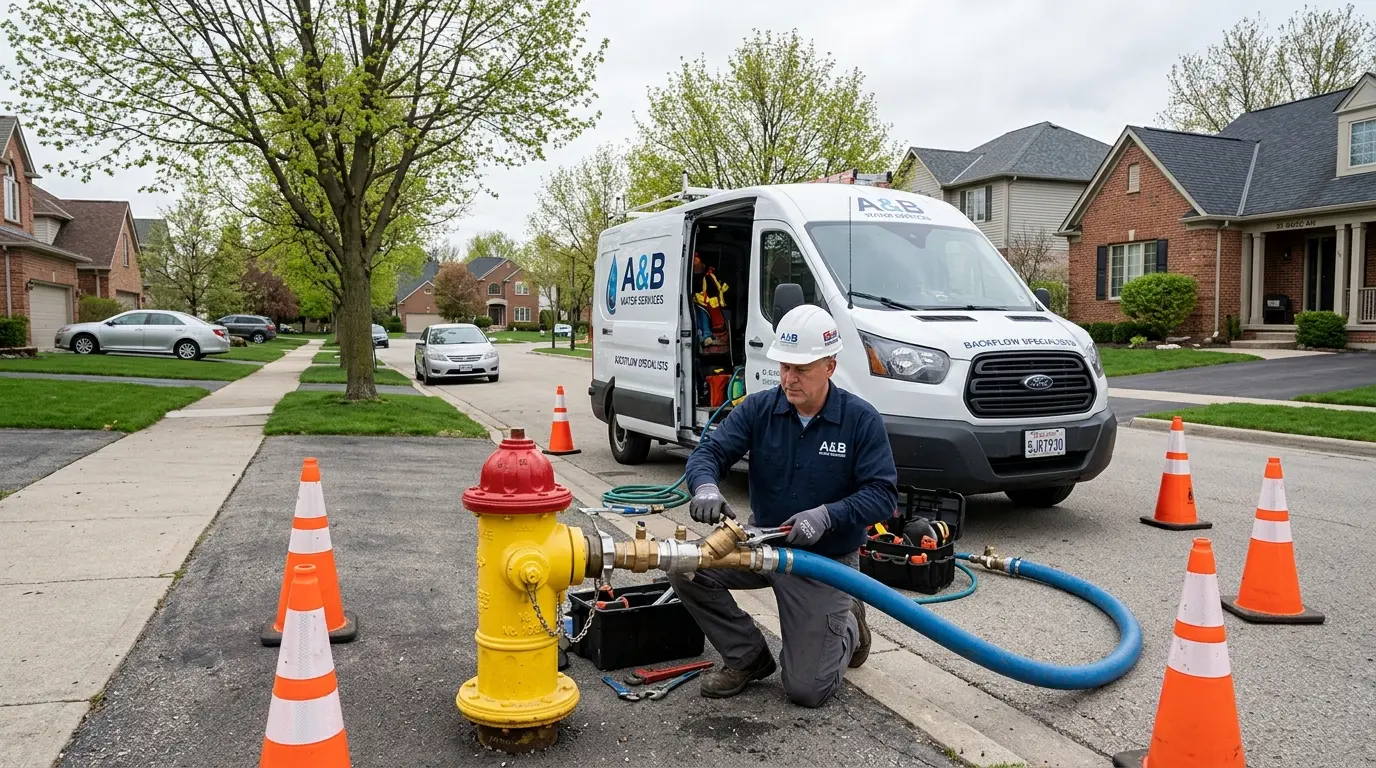
You can check pressure yourself with a simple gauge. Attach it to an outdoor spigot. Readings consistently above 80 PSI signal trouble. South Florida’s municipal supply pressure can be high, especially in low-lying areas. Properties near the University of Miami often have older infrastructure that strains under this pressure.
Local Expert Tip: If your gauge reads over 100 PSI, your fixtures are under siege. Immediate action is needed to prevent leaks.
Ignoring these signs lets high pressure attack every joint and appliance. It silently weakens hose bibs, water heater connections, and irrigation systems. The result is rarely a single repair, but a cascade of leaks. For a deeper look at symptoms, read our guide on how to spot a failing pressure regulator valve in Miami homes?.
The Real-World Case for PRV Replacement in South Florida
In my years servicing homes from Miami Beach to Hialeah, I almost always recommend replacement over repair. Here’s why. Most residential PRVs are sealed, non-serviceable units. Internal parts like diaphragms and springs wear out from constant pressure and our mineral-heavy water. A “repair” usually means a full valve swap anyway.
Furthermore, Florida Building Code, Plumbing (FBC-P) and Miami-Dade County amendments set material and performance standards. Installing a new, code-compliant valve ensures proper protection. It also avoids issues during a future home inspection or insurance claim. A new valve gives you a fresh 10-15 year lifespan and modern, more reliable performance.
Using a licensed professional is critical. The Florida Department of Business and Professional Regulation (DBPR) licenses plumbers. They know how to properly size the valve for your home’s demand and pipe size—a common mistake in DIY installs.
When a Simple Repair Might Be the Right Call
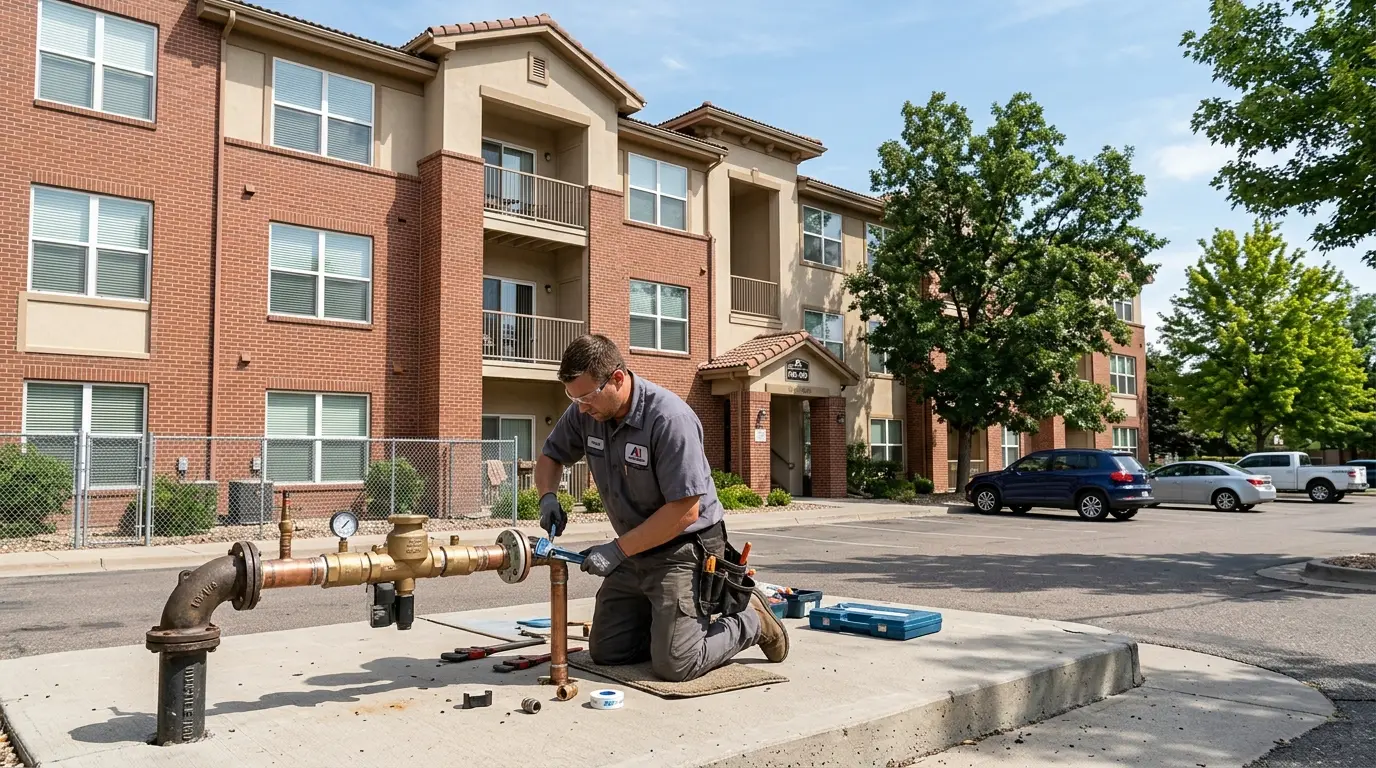
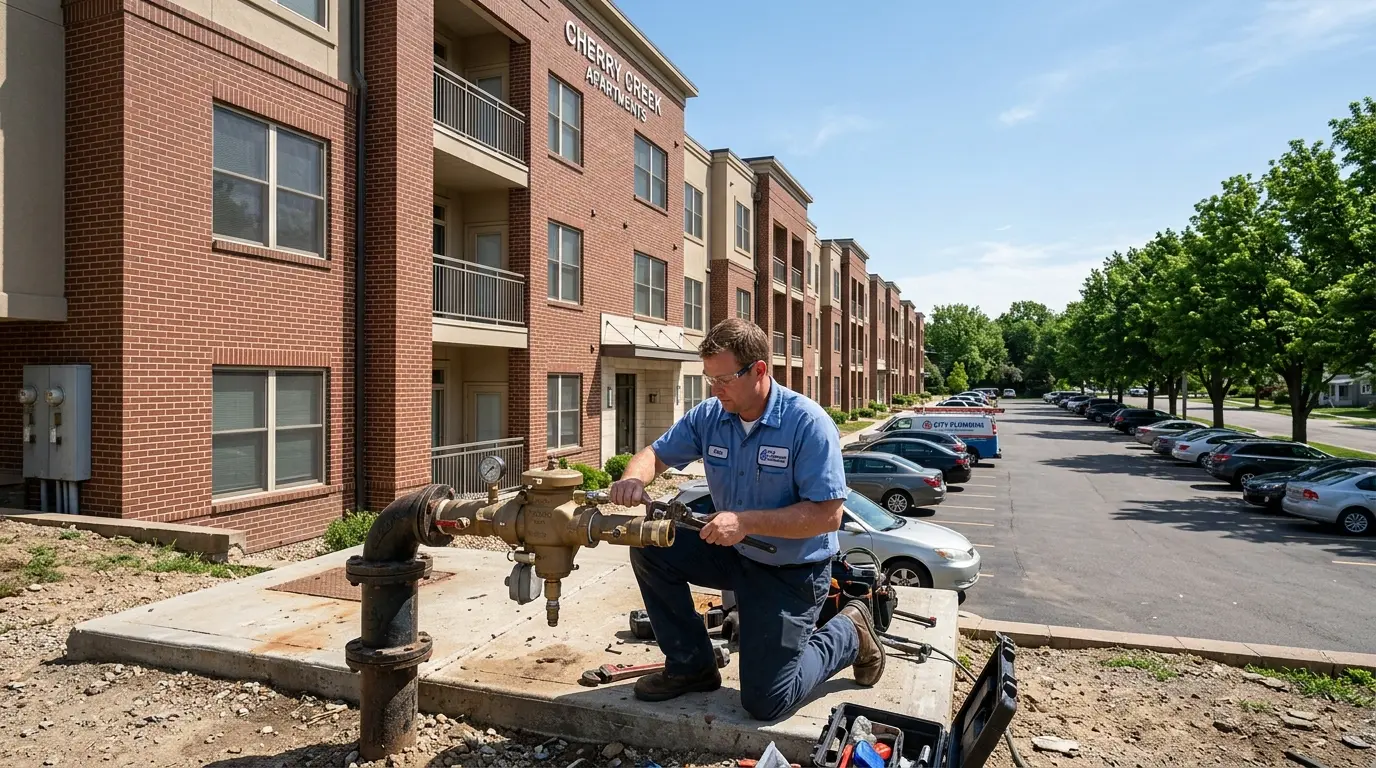
There are rare instances where a repair is viable. The main scenario involves serviceable commercial-grade valves found in some larger multi-story buildings. If the valve body is sound, a pro can rebuild it with a kit. Another case is a minor issue downstream of the PRV, like a faulty pressure gauge.
Sometimes the problem isn’t the PRV at all. A clogged pipe segment or a faulty shut-off valve can mimic PRV failure. A professional from a firm like ours will perform a full diagnostic. We check the main supply pressure from the street and isolate each section. This confirms the true culprit before any work begins.
Attempting a repair on a standard residential valve usually wastes time and money. You’ll pay for a service call, only to later pay again for the inevitable replacement. This delay allows pressure damage to continue unchecked in your plumbing.
Navigating Miami-Dade Permits and Professional Standards
This is where local expertise is non-negotiable. In Miami-Dade County, PRV replacement often requires a permit. The County Department of Regulatory and Economic Resources (RER) oversees this. The code exists for safety and system integrity. An unpermitted job can void your home’s warranty and cause liability issues.
A reputable contractor handles the permit process. They ensure the installation meets all code requirements for support, placement, and accessibility. They also know local rules for disposal of construction debris. Proper licensing, like our certification from the Plumbing-Heating-Cooling Contractors Association (PHCC) of South Florida, is your assurance of quality.
Skipping the permit to save money is a major risk. It can lead to failed inspections if you sell your home. More critically, a bad installation can fail catastrophically. We’ve seen the aftermath in homes along Brickell Avenue, where a faulty install led to extensive water damage in a high-rise unit.
Your Clear Path: DIY Assessment vs. Professional Replacement
So, where should you draw the line? DIY assessment is fine; DIY replacement is risky. Homeowners can and should monitor their water pressure with a gauge. They can also listen for water hammer. This data is invaluable when you call a professional. It helps us diagnose the issue faster.
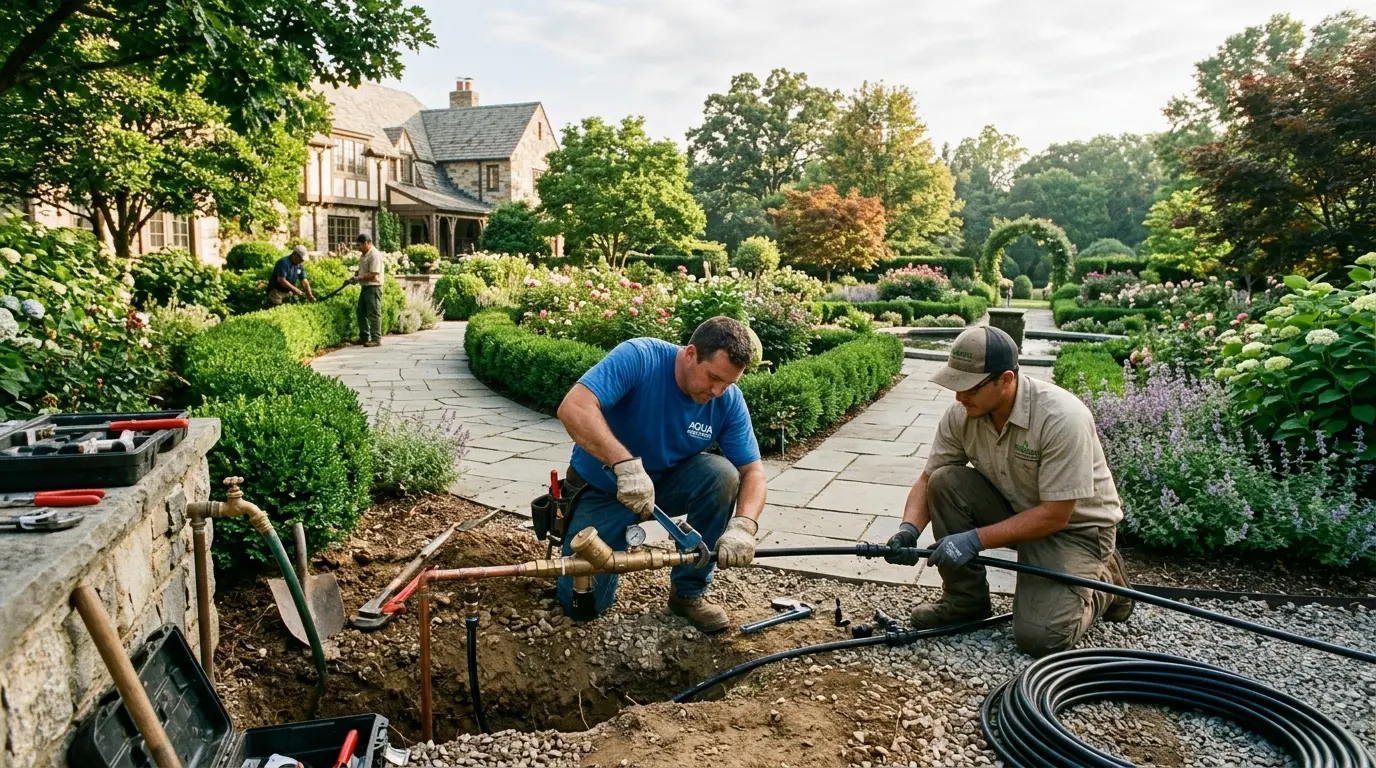
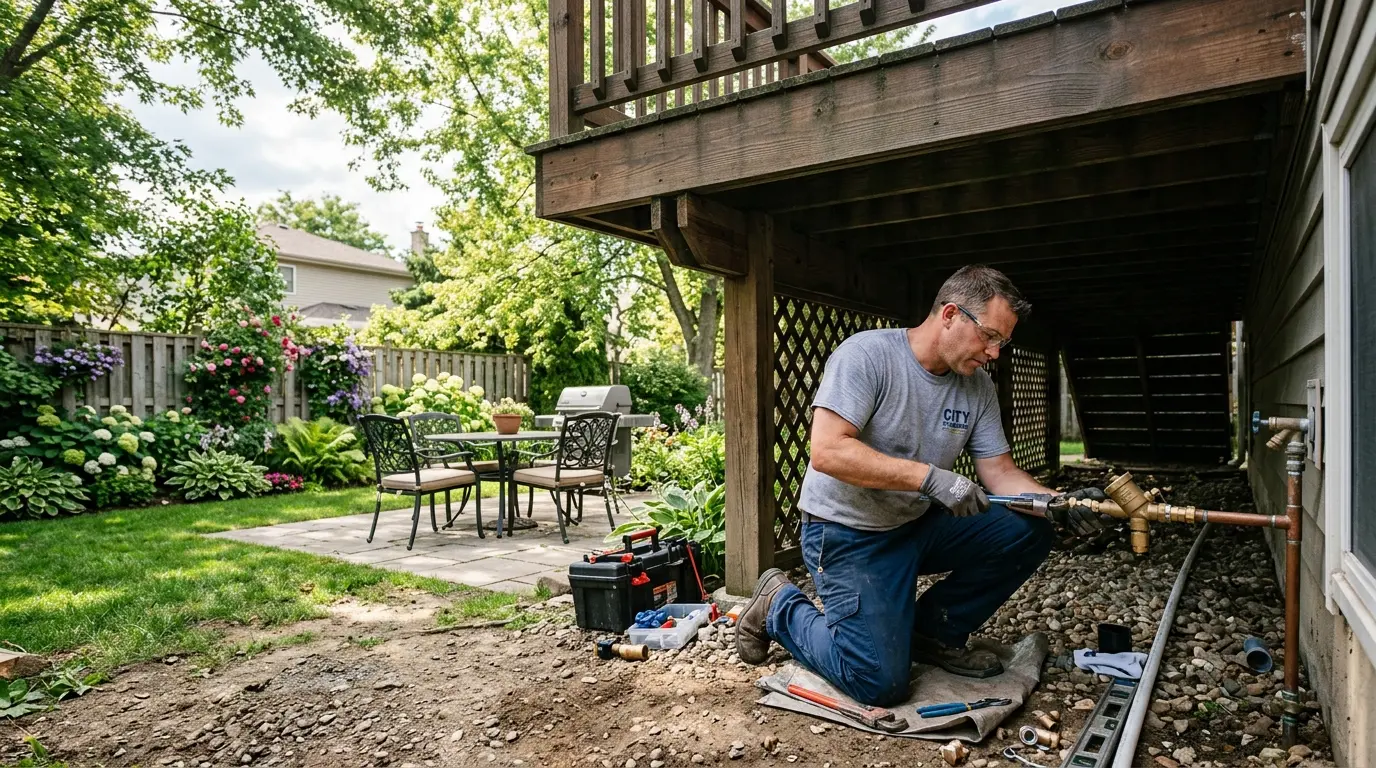
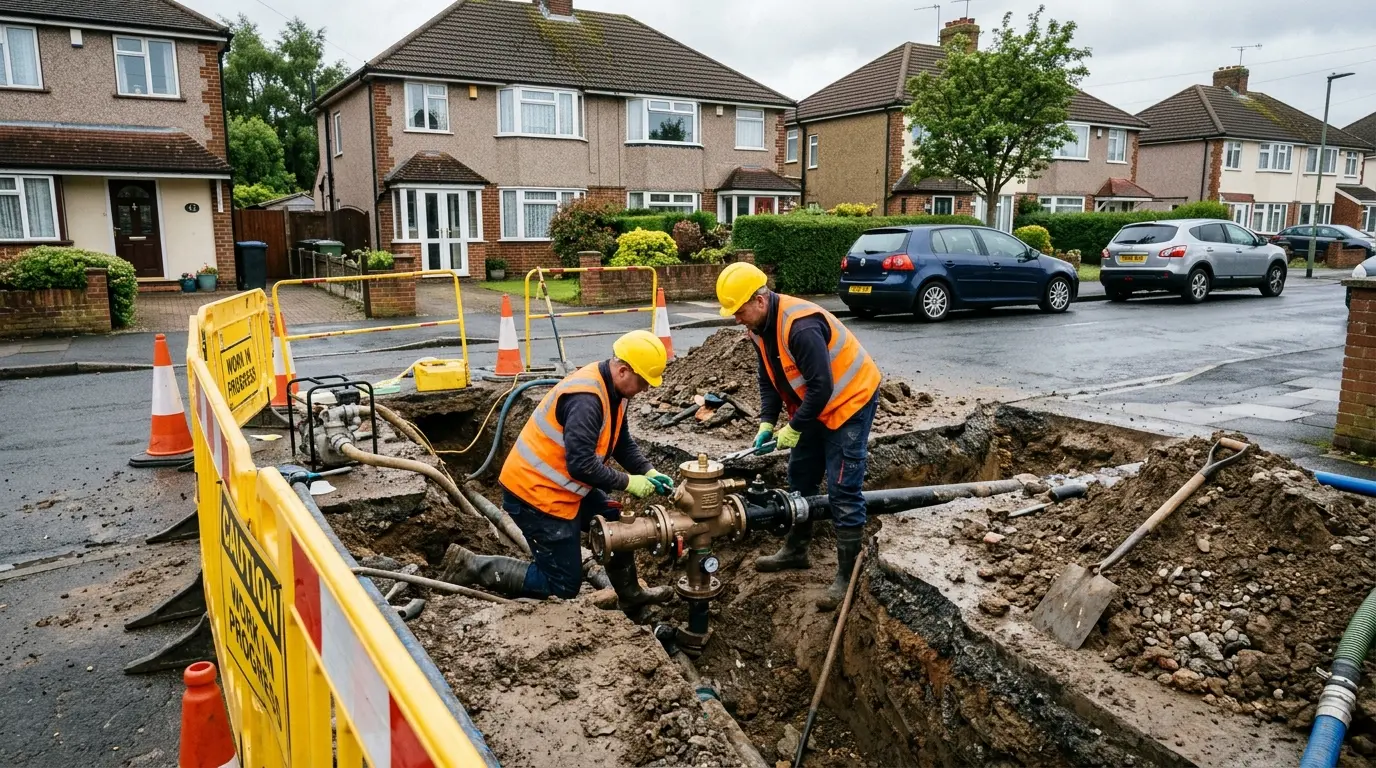
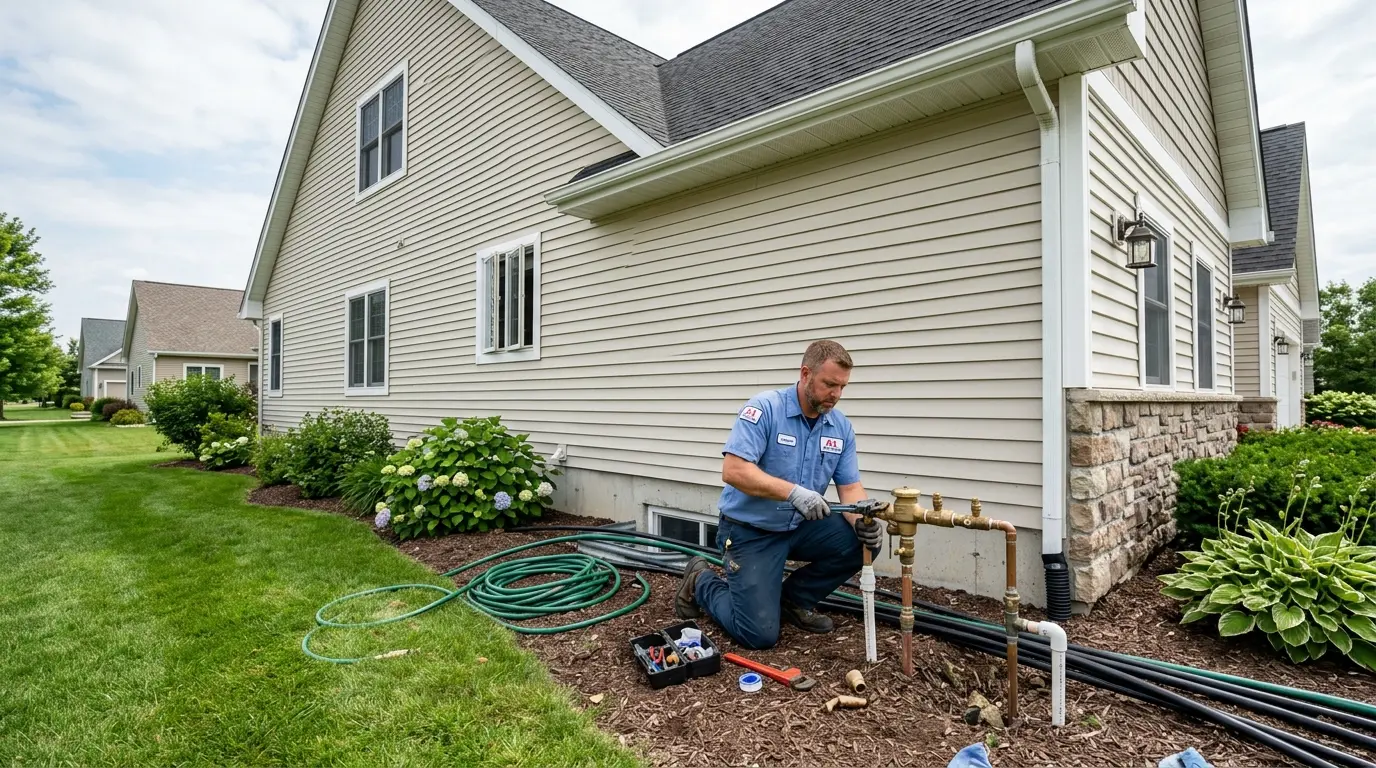
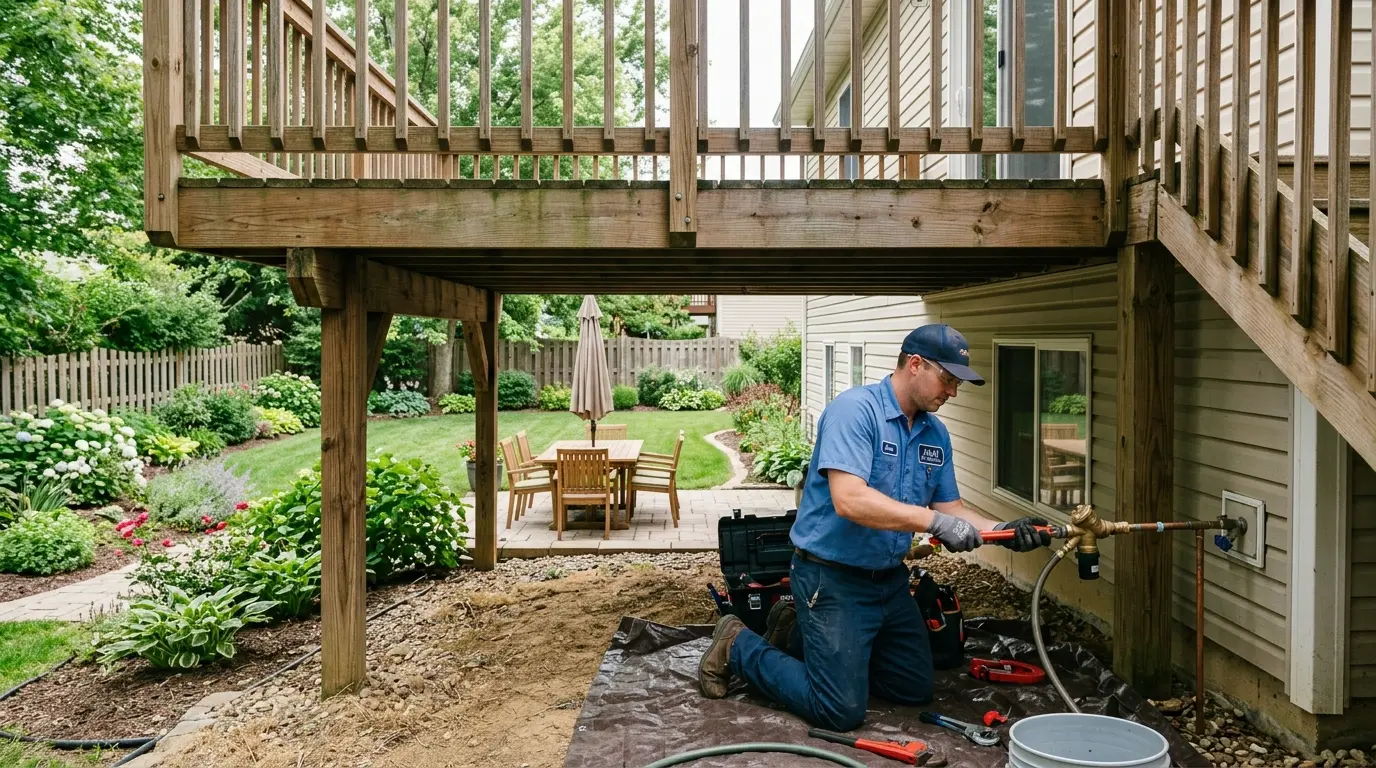
The actual replacement is a job for a licensed plumber. It involves shutting off the main water supply, cutting and soldering or threading pipe, and ensuring a leak-free seal. Missteps can cause flooding or create a dangerous pressure situation. The connection to your main line is a critical point of failure if not done perfectly.
Choosing the right pro matters. Look for a Florida-licensed plumbing contractor. Verify their standing with the DBPR. Ask if they will pull the required Miami-Dade County permit. Get a detailed, written estimate. A trustworthy plumber will explain each step and warranty their work.
Most Miami customers who wait for a total PRV failure end up paying for emergency service plus collateral damage repair. Acting on the warning signs is the smart, cost-saving move.
If you’re hearing bangs, seeing pressure swings, or just have concerns, get a professional opinion now. Our team at Miami Plumbing Experts provides expert diagnosis and code-compliant replacement across Miami-Dade. We handle the permits, the installation, and the peace of mind. Don’t let high pressure wreck your plumbing—call us today to schedule an assessment.
Should you repair or replace a faulty pressure regulator valve? visuals
Selected images for this page.
Typical Cost Estimates
Estimated price ranges based on common service types and local market data.
- Burst pipe repair: $150–$700 depending on pipe material and location accessibility
- Clogged drain clearing: $100–$400 based on severity and drain location
- Water heater emergency service: $200–$600 for diagnostics and initial repair
- Sewer line backup cleanup: $500–$2,500 for extraction and sanitization
- Gas line leak detection: $150–$350 for inspection and leak pinpointing
- Toilet overflow stoppage: $120–$300 for clearing the blockage
- Sump pump failure repair: $250–$600 for pump replacement or repair
All prices shown are estimates based on typical market rates for the Miami area and can vary significantly based on the specific provider, your location, and the complexity of the job. Service providers are independent businesses that set their own pricing and do not guarantee any specific rate or offer through this website. This website connects customers with third-party service providers and does not set, control, or guarantee any pricing.
Need Pressure regulator valve (PRV) replacement in miami?
Call or email us directly — we'll get back to you fast.