Why does water hammer occur in Miami Beach plumbing systems?
Main article body
That sudden, loud banging in your pipes when you shut off a faucet isn’t just annoying—it’s a warning. In Miami Beach, water hammer is a common symptom of deeper plumbing pressure issues that can damage your home. Understanding why it happens here specifically is the first step to a permanent, quiet fix.
The Physics of Water Hammer in Coastal Systems
Water hammer is a shockwave. It happens when fast-moving water slams into a suddenly closed valve. The kinetic energy has nowhere to go, creating a pressure spike that shakes pipes. In Miami Beach, our municipal water pressure can be notoriously high, especially in older neighborhoods like Flager Historic District. This gives the water more initial force.
The problem worsens with long, straight pipe runs common in our multi-story condos. Faster water velocity means a more violent stop. Without proper air chambers or arrestors, the shockwave reverberates. It sounds like a loud bang or a series of shuddering knocks.
A quick test: Listen after you quickly shut off a shower. A single “thump” is normal. A series of loud bangs means your system lacks cushioning.
Ignoring this turns your plumbing into a wear machine. Each shock stresses every joint and fixture. Over time, this leads to leaks and catastrophic failures. The cost to fix a burst pipe behind a wall dwarfs the price of diagnosing the hammer’s root cause today.
Why Miami Beach Properties Are Particularly Vulnerable
Our local infrastructure and building styles create a perfect storm. First, the soil. Miami Beach sits on porous limestone and sand. This allows subtle but constant foundation shifting. Even minor movement can misalign pipes, stressing anchors and creating points for vibration.
Second, many iconic properties south of Fifth Street were built decades ago. Their original galvanized steel pipes are now often corroded and restricted. This corrosion can itself cause turbulent flow. More critically, the original pressure-regulating devices—if they were even installed—are well past their 10-12 year lifespan.
Finally, salt air accelerates corrosion on all external plumbing components. This weakens pipe walls and valve diaphragms. A weakened system can’t absorb shocks effectively. What might be a minor nuisance elsewhere becomes a damaging event here. This environmental factor is often overlooked by non-local plumbers.
The Direct Link to Pressure Regulator Valve Failure
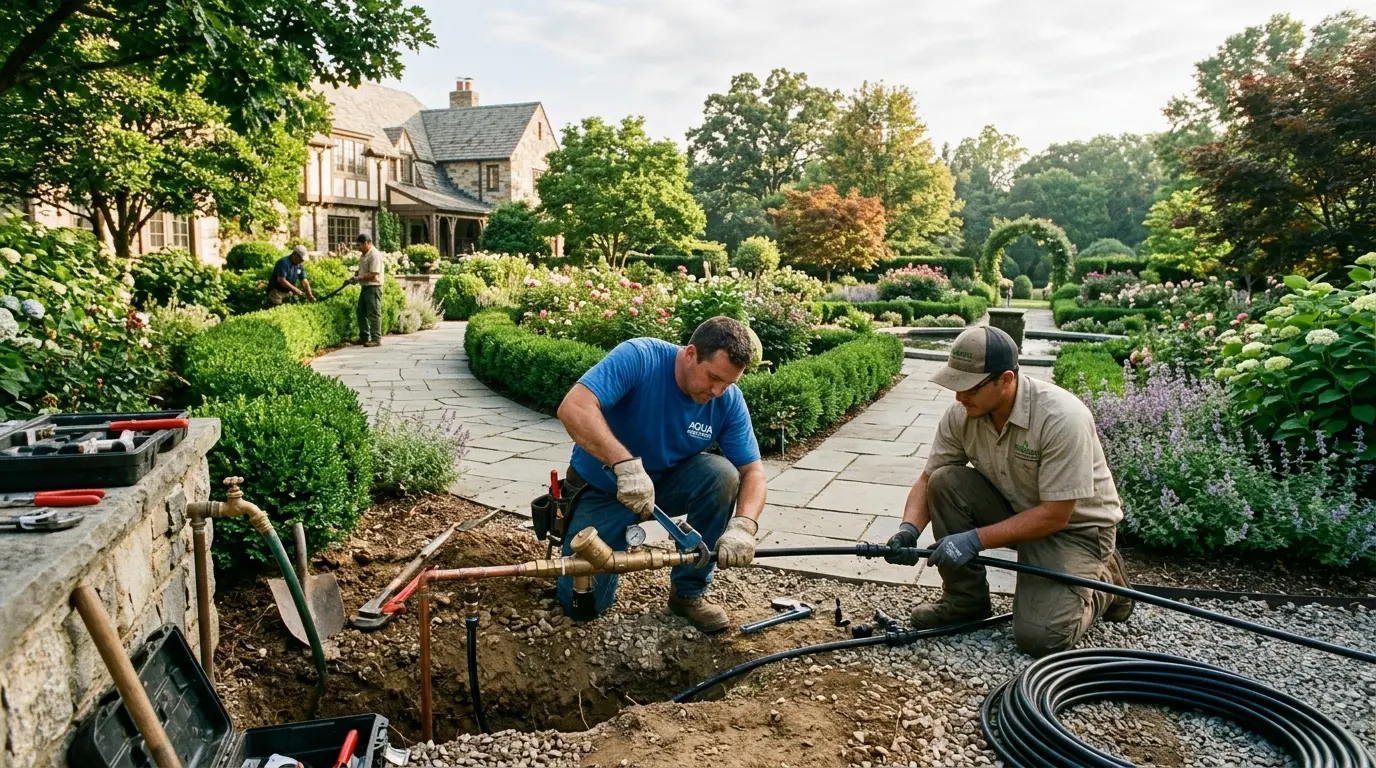
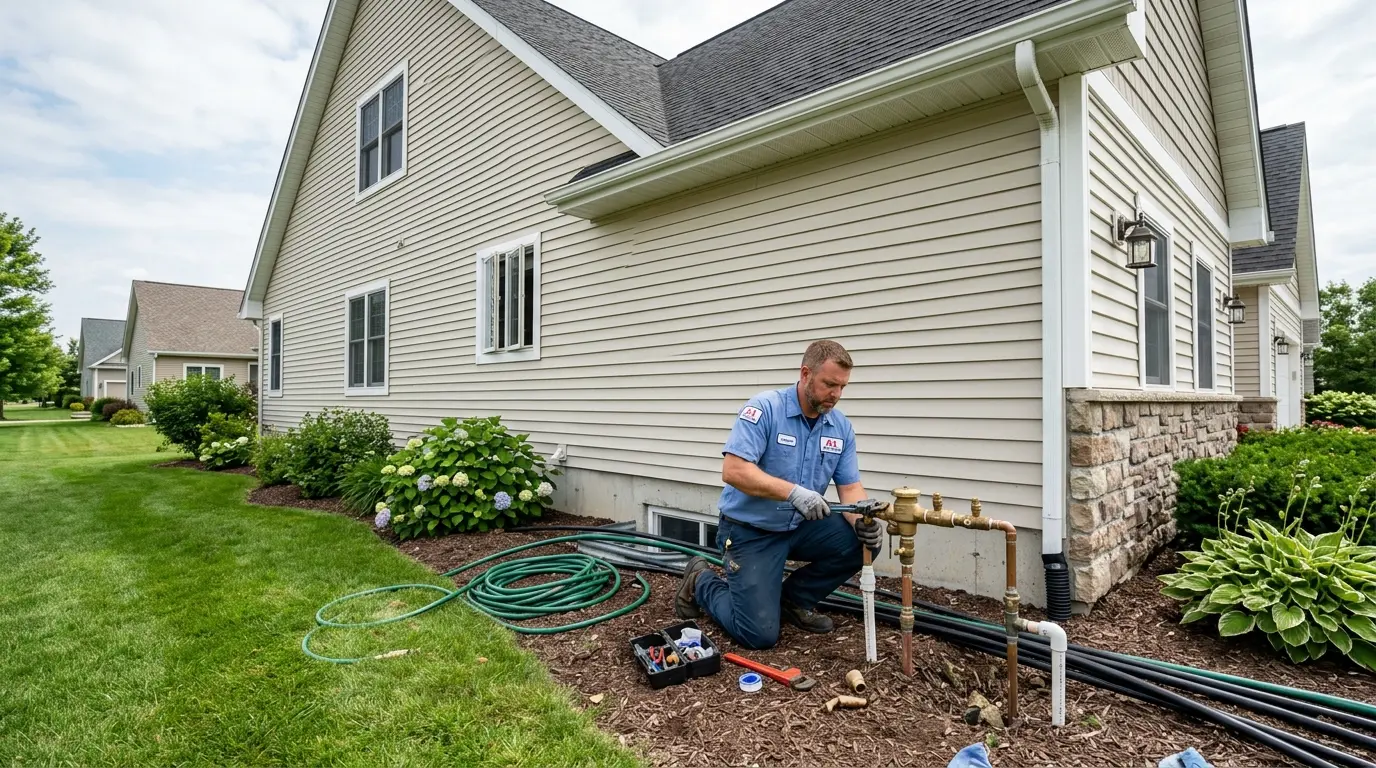
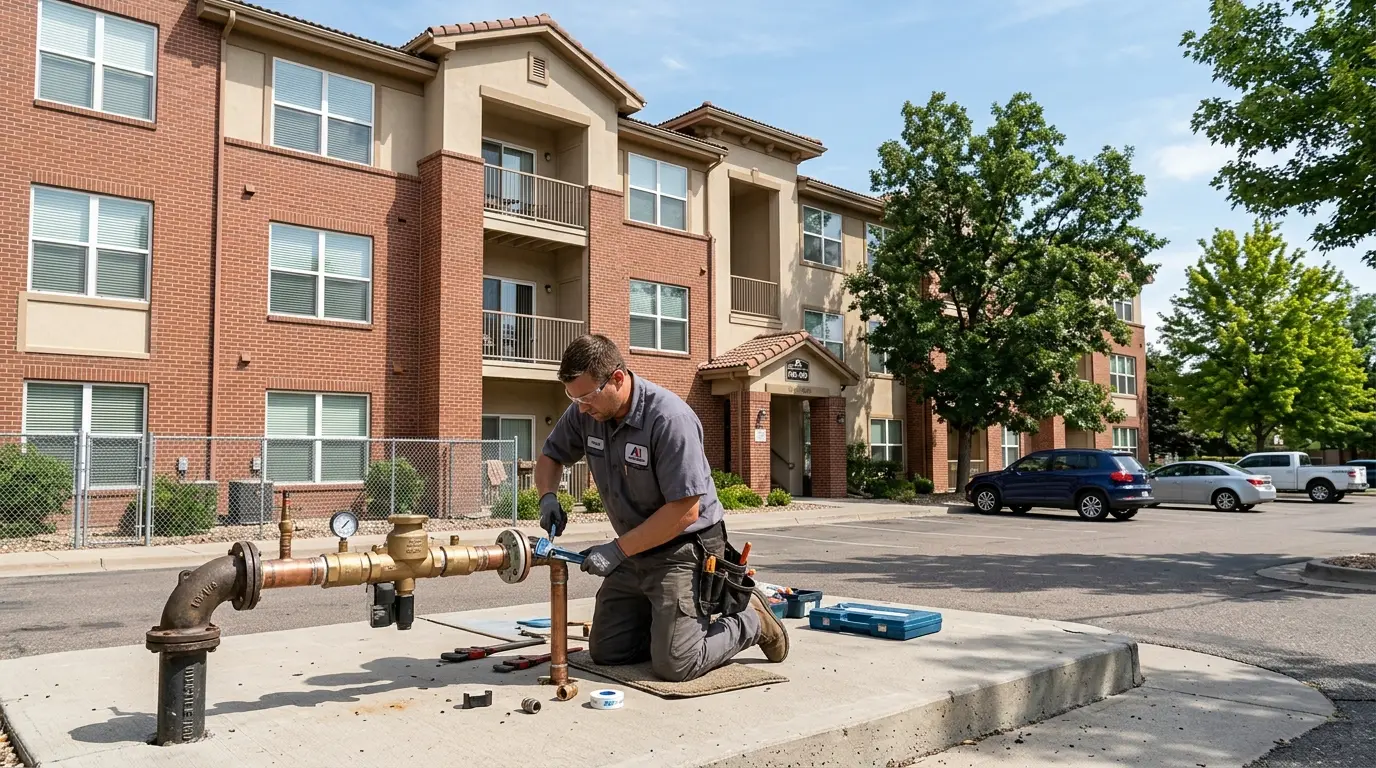
In most cases, persistent water hammer points directly to a failing Pressure Regulator Valve (PRV). The PRV’s job is to reduce high city main pressure to a safe level for your home, typically 50-70 PSI. When its internal diaphragm or spring wears out, it can’t regulate consistently.
You get erratic, often excessive, pressure. This high pressure forces water through valves faster. The sudden stop then creates a more powerful hammer. We see this constantly in Miami Beach condos. Residents report hammering alongside other symptoms like leaking toilet fill valves or spraying faucet aerators.
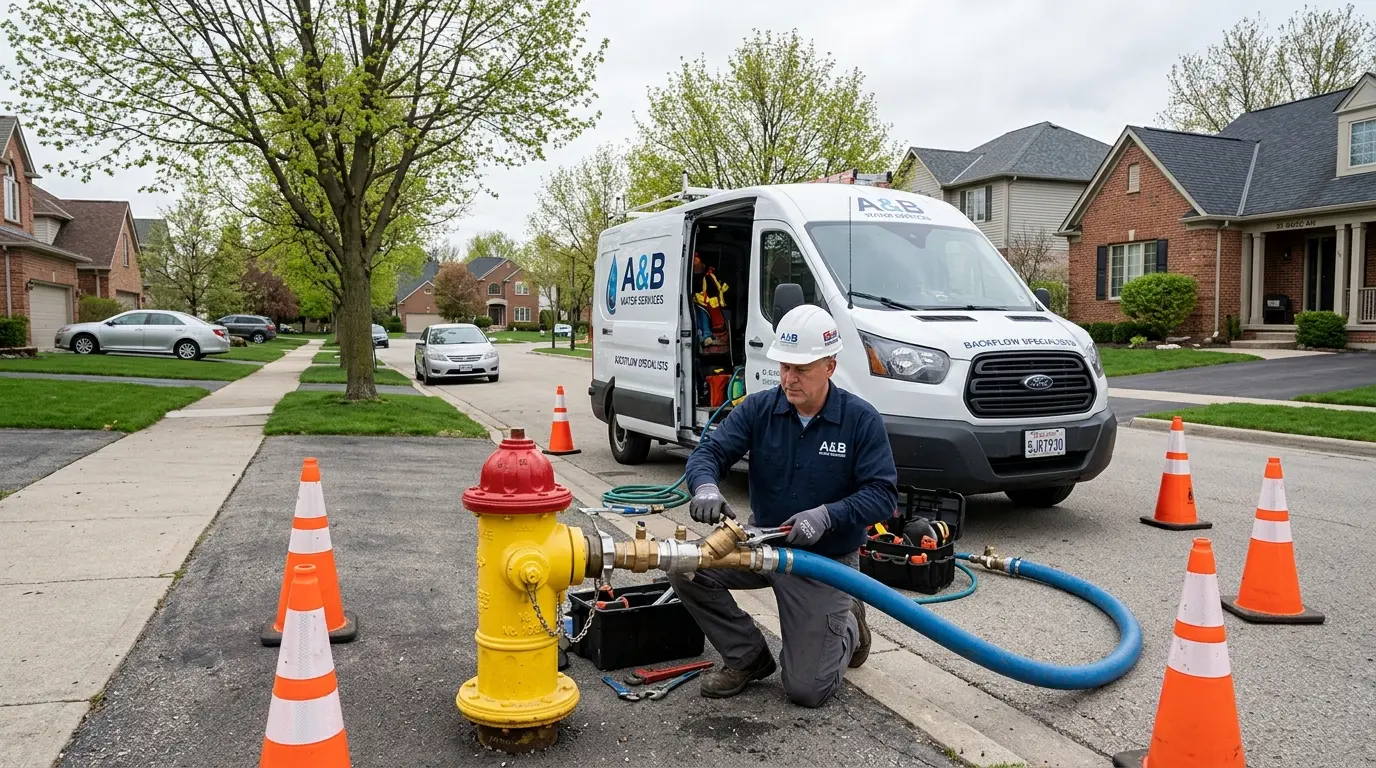
A failing PRV doesn’t just cause noise. It silently attacks your appliances. Your water heater, washing machine valves, and dishwasher solenoids are under siege. Replacing a $500 water heater is a common consequence of delaying a PRV fix. A professional test with a gauge confirms the diagnosis in minutes.
Local Regulations and Professional Repair Requirements
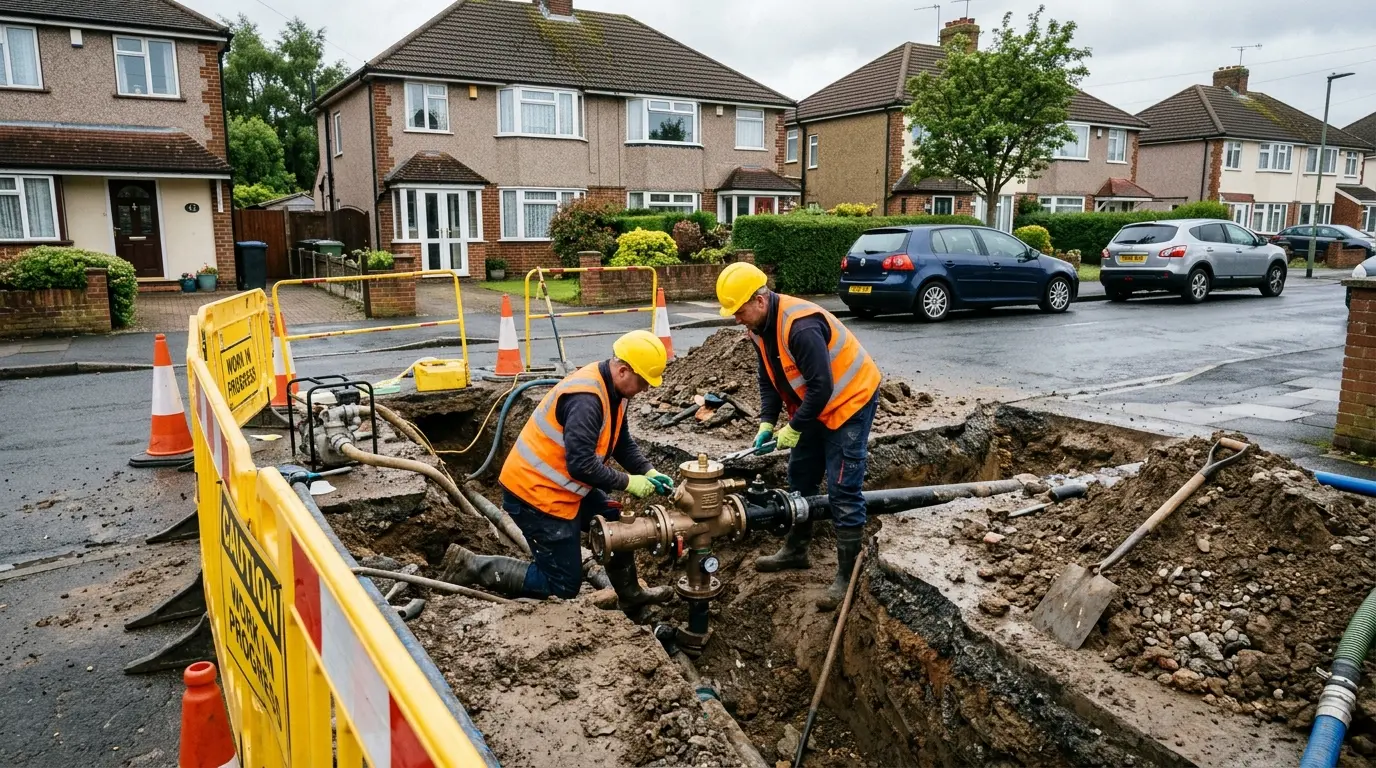
Fixing this isn’t always a simple swap. In Miami-Dade County, plumbing work is governed by the Florida Building Code, Plumbing (FBC-P). While a straight PRV replacement may not always trigger a permit, it must be performed by a licensed professional.
Why? The Florida Department of Business and Professional Regulation (DBPR) licenses plumbers for a reason. Improper installation can create a closed system, leading to even more dangerous pressure spikes. It can also violate codes for proper support and accessibility.
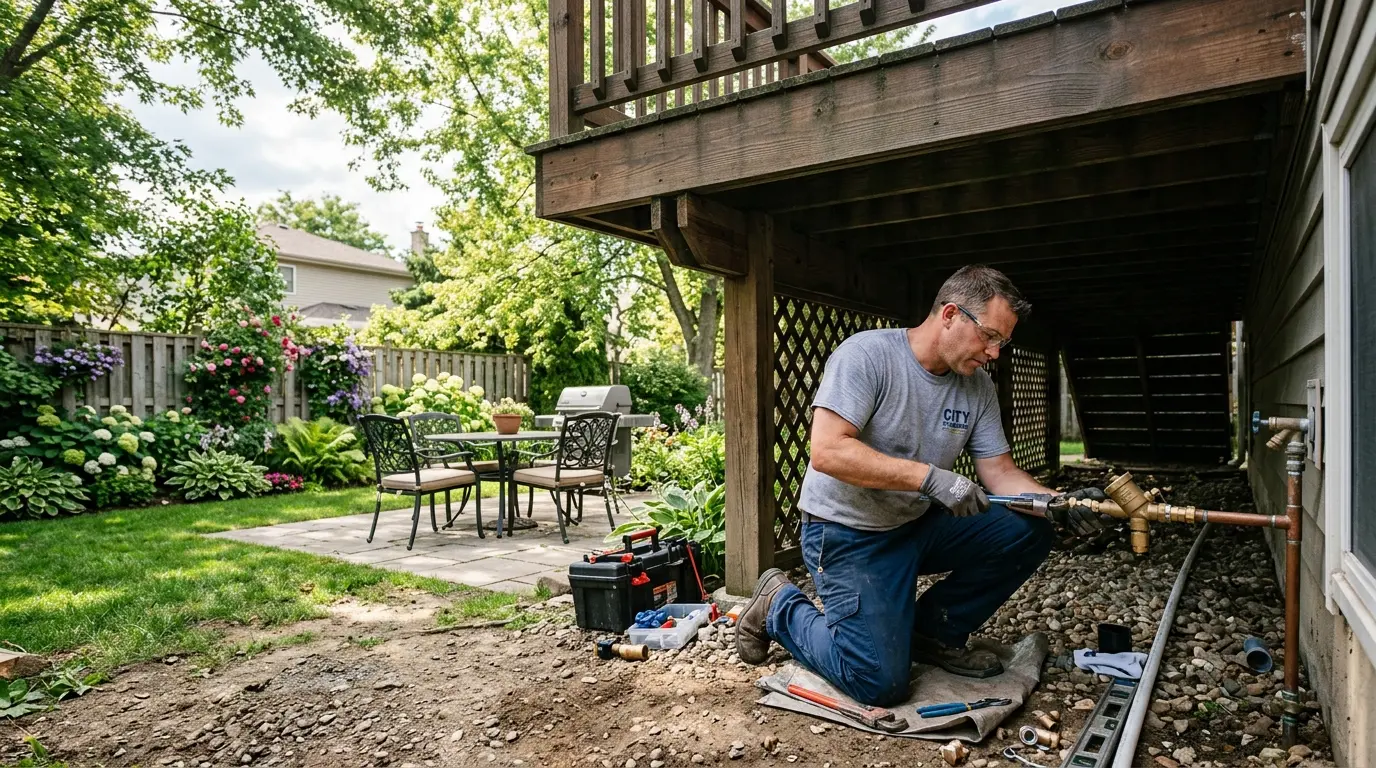
A reputable pro, like our team at Miami Plumbing Experts, will assess the entire system. We check for required air chambers and install modern water hammer arrestors if needed. We ensure the new PRV is set correctly for your property. Using unlicensed help voids warranties and can fail inspection if you sell your home. It’s a risk not worth taking.
When to Troubleshoot Yourself vs. Call a Pro
Be smart about your level of intervention. You can do some initial sleuthing. Check if the hammer occurs at all fixtures or just one. If it’s isolated, the issue may be with that specific valve. Try draining your home’s water system to refill air chambers. This can offer a temporary fix.
However, call a licensed plumber immediately if: The hammer is sudden and severe, you have visible pipe movement, or it’s accompanied by pressure fluctuations. These are signs of systemic failure. DIY attempts at soldering or replacing a main PRV without proper licensing and testing are illegal and unsafe.
The decision is straightforward. Isolated noise after a single fixture install? Maybe a DIY arrestor will work. Whole-house banging, especially in an older Miami Beach home? That’s a professional diagnosis. Most homeowners who wait end up paying for secondary leak repairs on top of the core fix.
Don’t let a bad shockwave turn into a costly disaster. That alarming bang in your walls is a clear signal. Your plumbing system is under stress and needs expert evaluation. For Miami Beach residents, the solution requires local knowledge of our water pressure, codes, and classic building styles.
Schedule a pressure test and diagnosis today. Our licensed team can pinpoint if a failing Pressure Regulator Valve (PRV) Replacement is the culprit behind your water hammer. Visit our dedicated Miami Beach service page to book a quiet, permanent solution.
Why does water hammer occur in Miami Beach plumbing systems? visuals
Selected images for this page.
Typical Cost Estimates
Estimated price ranges based on common service types and local market data.
- Burst pipe repair: $150–$700 depending on pipe material and location accessibility
- Clogged drain clearing: $100–$400 based on severity and drain location
- Water heater emergency service: $200–$600 for diagnostics and initial repair
- Sewer line backup cleanup: $500–$2,500 for extraction and sanitization
- Gas line leak detection: $150–$350 for inspection and leak pinpointing
- Toilet overflow stoppage: $120–$300 for clearing the blockage
- Sump pump failure repair: $250–$600 for pump replacement or repair
All prices shown are estimates based on typical market rates for the Miami area and can vary significantly based on the specific provider, your location, and the complexity of the job. Service providers are independent businesses that set their own pricing and do not guarantee any specific rate or offer through this website. This website connects customers with third-party service providers and does not set, control, or guarantee any pricing.
Need Pressure regulator valve (PRV) replacement in miami?
Call or email us directly — we'll get back to you fast.